
The Science of Biosafety and not forgetting
Written by Nicole Wild, PhD student at Karolinska Institutet and participant of the course “Career Skills for Scientists” during the autumn term 2025.
Antonio “Tony” Rothfuchs describes his work simply: “I work on airborne transmission of tuberculosis.” But behind that modest introduction lies an academic career built step-by-step at Karolinska Institutet (KI), with formative years abroad, and a central role in shaping how KI conducts high-biosafety research today.
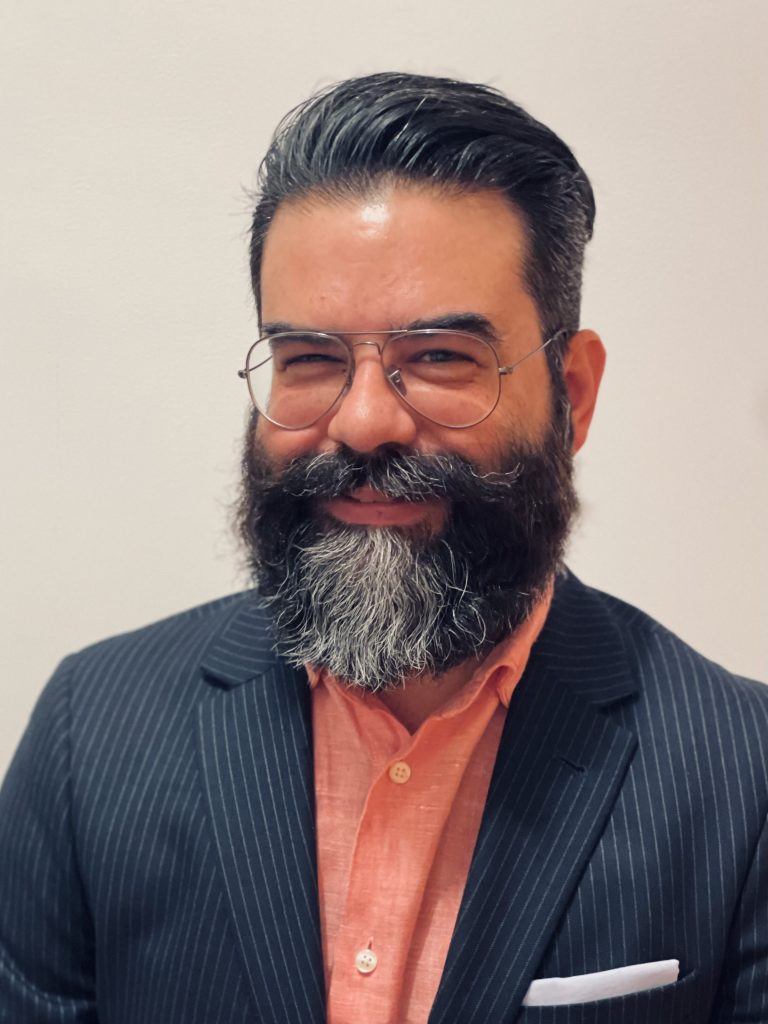
Tony began his studies in 1995, as part of the very first biomedicine program at KI. After his undergraduate degree, he continued with a PhD in immunobiology, focusing on Chlamydia pneumoniae infection. At that time, doctoral studies were less strictly regulated and could extend over six or seven years. Tony defended in about five and a half. “It was different back then,” he recalls with a smile.
A Career in Tuberculosis Research
His next step was clear: a postdoc abroad, considered almost mandatory at the time – “and perhaps even unavoidable today”, as he speculates. He joined the National Institutes of Health (NIH) in the US, near Washington, D.C., where he spent five years. There Tony made a decisive shift: from chlamydia to tuberculosis (TB).
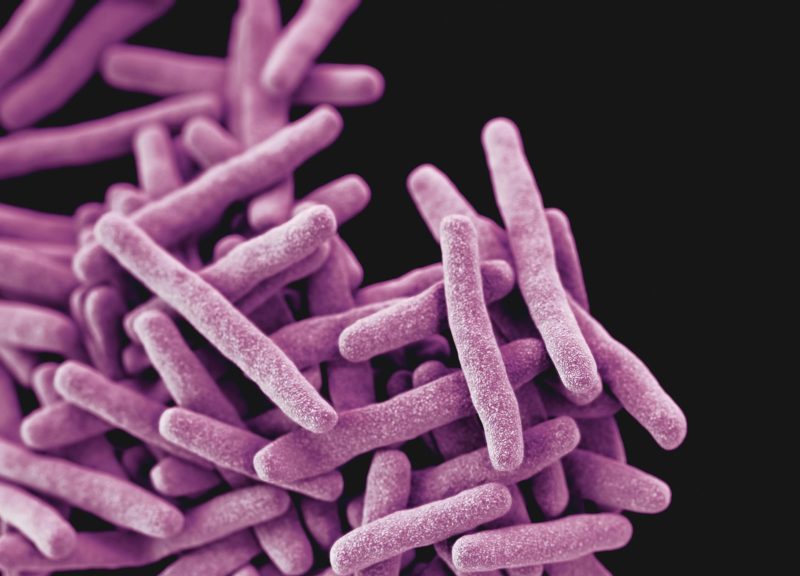
“I think it was Alan Sher, my PI at NIH, who told me when I was looking for a postdoc position that: ‘you need to work on something that kills people’.” With these words, his supervisor wasn’t being morbid, he was bluntly pragmatic. Pathogens that pose serious threats to global health attract funding, and without funding, research is impossible. It was research on Mycobacterium tuberculosis that introduced him to work in Biosafety Level 3 (BSL3), and the hands-on training that would shape his career. A BSL3 laboratory is a high-containment facility designed to safely handle pathogens that can cause serious or potentially lethal infections.
Building a Research Group
Returning to Sweden in 2010, Tony faced the challenge of starting his own group. With limited resources but determination, he rejoined KI at the department of Microbiology, Tumor and Cell Biology (MTC). “Looking back, it was crazy. The competition was fierce, and money is always scarce in academia. But sometimes you have to be brave.” Over the years, he secured funding, built a team of PhD students, postdocs, and technical staff, and established himself as an independent researcher. He deliberately kept the group small throughout the years. “Even if I had endless funding, I’d prefer a compact team with good resources over a very large group. I want everyone to have what they need to do good science.”
His expertise in biosafety soon extended beyond his own lab. Selected as biosafety representative for the department, he became a member of MTC’s work environment council and eventually chaired KI’s biosafety committee for nearly eight years. This role made Tony a central figure in the development of KI’s own BSL-3 facilities. “When I came back, there were no BSL3 at KI. Today, we have two and an animal BSL3. That’s a huge change.” He emphasizes how essential it is to keep such facilities active during “peace time” to be ready for future pandemics. Reflecting further, Tony emphasizes that BSL-3 work is not for everyone. “There’s a threshold”, he says. “At first, there are many things about the work that are different and to many also uncomfortable, notably, having to work all the time using a respirator (face mask). It also takes time to adjust to the strict routines and the slower pace of the work. But if you can clear the hurdles, it can be very rewarding. These skills are rare and valuable.”
A Steep Learning Curve
Reflecting on his career, Tony acknowledges the unusual path of staying mostly within KI but sees the years at NIH in the US as transformative. “NIH was a melting pot, half of the postdocs were foreign. I was shielded from admin and teaching, free to just do research. Coming back to Sweden, I had to learn legislation, apply for permits, and learn the responsibilities that come with running a group. It was a steep but valuable learning curve.”
Looking ahead, he is ready to take on future challenges. “We know it’s not if, but when the next pandemic will come. Climate change, global mobility, and urban expansion all increase the risks. That makes biosafety and BSL-3 work more important than ever.” At the same time, he worries that society quickly forgets: “It’s like a cold, you suffer when you have it, then you move on. But we can’t afford to start from zero each time.”

0 comments