

“Just dare to do it”
Anna-Karin Danielsson’s way into research
Written by Taalke Maria Sitter, PhD student at Karolinska Institutet and participant of the course “Career Skills for Scientists” during the spring term 2026.
Anna-Karin Danielsson is a principal researcher and team leader at the Department of Global Public Health (GPH) at Karolinska Institutet (KI), but her path toward this role has not been shaped by a long-term plan or clear strategy.
With a background in psychology and criminology, she hadn’t initially imagined an academic career and instead started out working as a recruiter/head-hunter for IT firms. When the sector crashed in the early 2000s, she lost her job and suddenly had to look for new opportunities. After a period of unemployment and around 90 to 100 unsuccessful job applications, one person she had an interview with forwarded her contact information to a professor at KI who was searching for a research assistant with her profile for a project in alcohol and drug research. She took the job – and that became the unplanned start of her academic path.
This first research position led to a PhD with the same professor, followed by her first and then second postdoc within other groups in the same department at KI. Throughout all these early phases of her career, applying for funding was a constant part of her work – first for her own PhD position together with her supervisor, then for smaller grants along the way, and later for her postdoc positions.
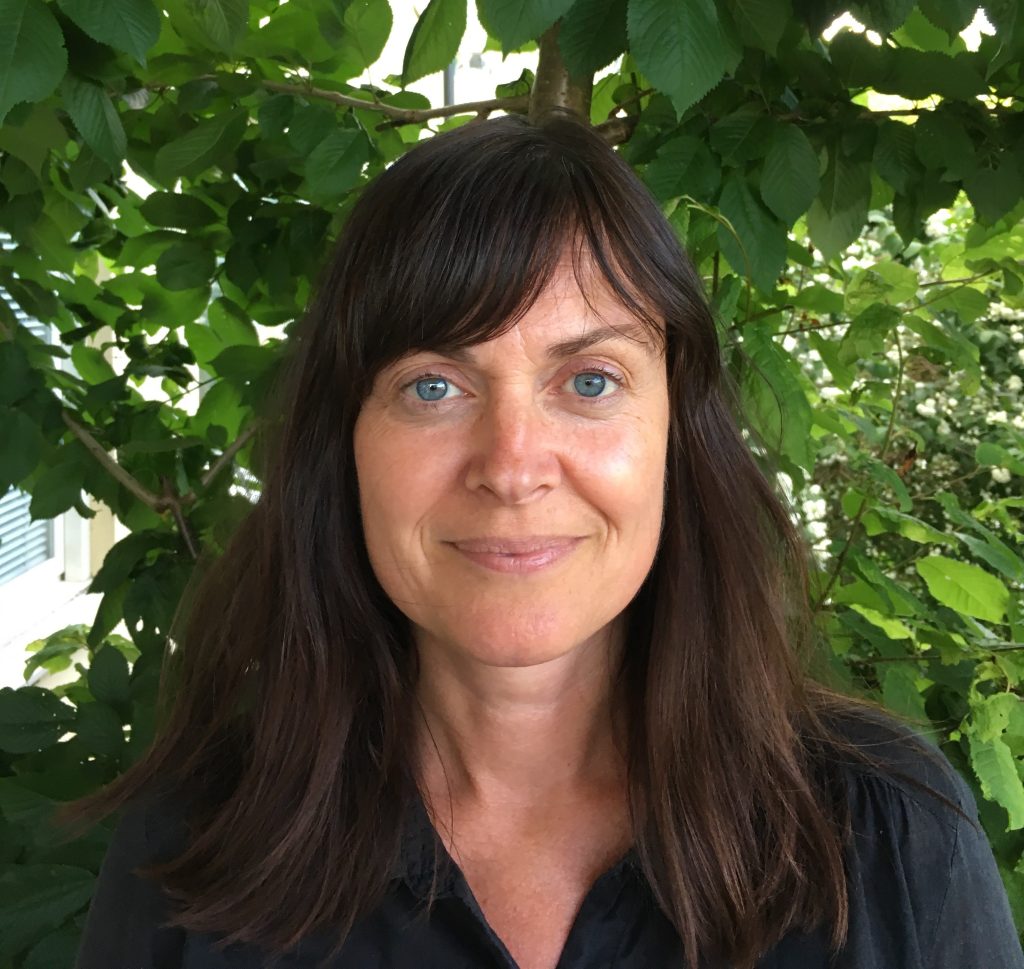
“I got to be involved in writing funding applications early on as a PhD student, and I think the fact that I’ve been able to do that both as a PhD student and as a postdoc with different professors was a nice way to get started. My supervisors have been very keen on giving feedback and sharing their tips and tricks.”
With this early training in grant writing, she ultimately secured a six-year programme grant after her second postdoc, giving her the opportunity to start building her own team, focusing on alcohol and drug epidemiology. Her advice to current PhD students is to begin applying for grants as early as possible, even small ones, simply to get used to the process: “If you’re planning on staying at KI, applying for funding is the most important skill.”
Academic and personal freedom
After a period as assistant professor and earning her docent title, Anna-Karin is now a principal researcher and leads the Alcohol and Drug Epidemiology Team within GPH. When asked what she enjoys most about her position, her answer comes quickly: “The freedom!”. She values both academic and personal freedom – choosing research topics she finds meaningful, collaborating with people she enjoys working with, and organizing her schedule in the way that suits her best. At the same time, the role comes with challenges, such as balancing departmental expectations, committee and council work, teaching and supervision, and ongoing research responsibilities.
Anna-Karin has never left GPH since starting her academic career. “I haven’t been strategic at all. I’ve done what I’ve wanted to do, and I wanted to have a fun job. But that means I am maybe not the one that will become the next Professor,” she reflects when looking back.
Yet through her time at GPH, she has worked in many different research groups, with different people, in many collaborations, leaving her feeling rich in experiences, nonetheless.
Supervision is rewarding
When asked what comes next, she pauses for a moment before concluding that supervising is what she finds most rewarding and where she wants to put her energy: “It’s been extremely exciting to be on the other side [of supervision] and try to help people finalize their studies and see where they end up eventually.”
To PhD students interested in an academic career, Anna-Karin stresses the importance of developing writing skills, not only for grant applications but also for manuscripts. “Many students that we have in our group are really strong when it comes to analysis. They know all the computer programs. They are fantastic at presentations and data visualization, but when it comes to writing manuscripts, they get stuck.” The PhD period is an ideal time to take writing courses and practice these skills, according to Anna-Karin.
While she acknowledges that jobs outside academia often offer higher salaries and more stability, especially for those with families or other commitments, she emphasizes how enjoyable academic work can be and how much she values the freedom it provides. Her message to those who want to stay in academia is simple. “Just dare to do it. I mean, you can always apply for another job if you’re not successful in getting more funding – that’s always a possibility. But if you leave immediately, you’ve never actually tried it.”

0 comments